
Sustainable Wooden Products: A Guide for Bulk Purchasing in Home Decor
Introduction to Sustainable Wooden Products
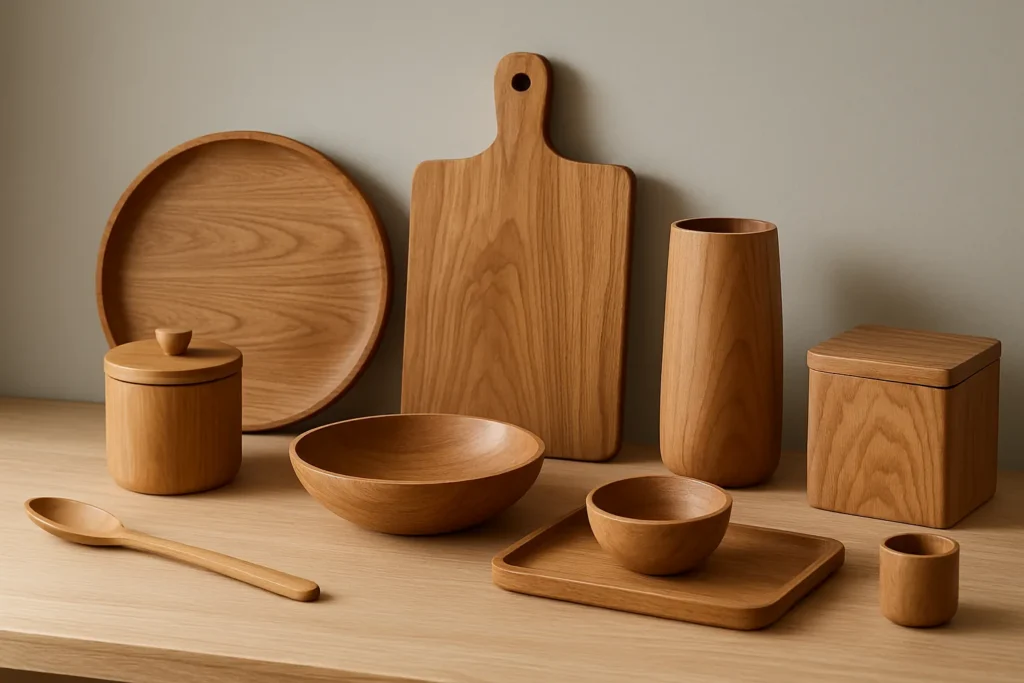
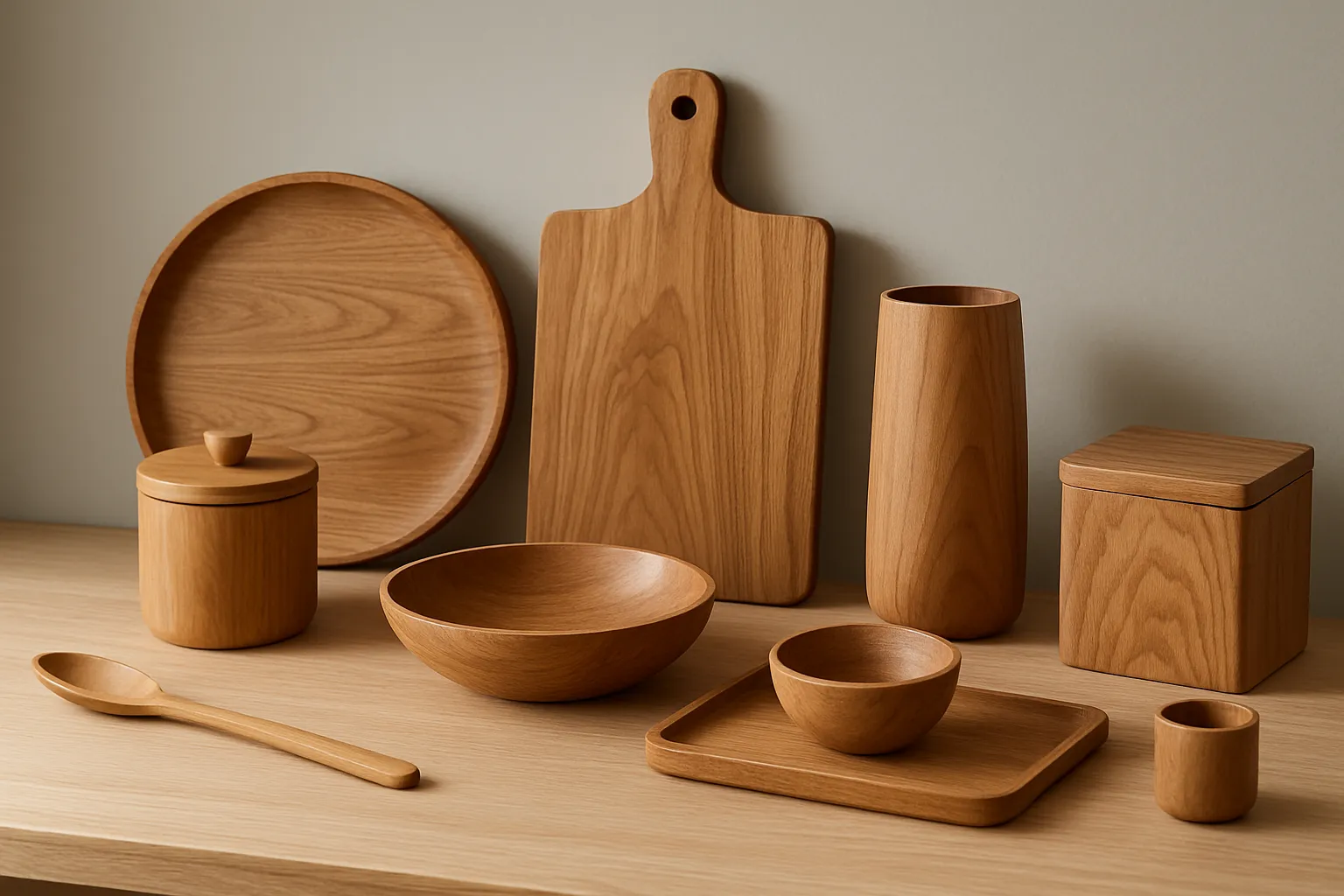
Sustainable wooden products are crafted from timber sourced from responsibly managed forests that emphasize environmental conservation and social responsibility. These products not only contribute to ecological preservation but also elevate the aesthetic appeal of home decor. In my experience, as consumers grow increasingly aware of their environmental footprint, the demand for sustainable wooden products in home decor has surged, making it vital for businesses to consider bulk purchasing options.
Benefits of Bulk Purchasing
When it comes to acquiring sustainable wooden products, bulk purchasing offers several advantages that can significantly benefit businesses.
Cost Efficiency
In my opinion, one of the most compelling reasons to buy in bulk is the cost savings. Purchasing large quantities often leads to reduced costs per unit, as suppliers are more inclined to offer discounts for bigger orders. This cost efficiency can be a game-changer for retailers and designers striving to provide sustainable options without inflating their prices.
Consistency in Quality
Another critical benefit of bulk purchasing is the assurance of uniform quality across all products. This consistency is essential for maintaining brand reputation, especially in home decor, where aesthetics and durability are paramount. Suppliers often guarantee that bulk orders will meet the same high standards, minimizing the risk of variability that can occur with smaller orders.
Streamlined Supply Chain
Bulk purchasing simplifies the supply chain process, as fewer orders translate to less administrative work and fewer shipments to manage. This can lead to improved logistics and a reduced carbon footprint. A streamlined supply chain allows businesses to focus on other aspects of their operations, thereby enhancing overall efficiency.
Specifications to Consider
When selecting sustainable wooden products for bulk purchase, several key specifications come into play.
Types of Wood Used
Different types of wood offer varying aesthetics, durability, and sustainability levels. For instance, hardwoods like oak and maple are often favored for furniture due to their strength and longevity, whereas softer woods such as pine may be more suitable for decorative items.
Certifications and Standards
It’s crucial to look for certifications like the Forest Stewardship Council (FSC) or the Sustainable Forestry Initiative (SFI). These certifications indicate that the wood has been sourced from sustainably managed forests, ensuring that your products align with environmental standards. For more information on sustainable practices, check this industry reference.
Finishing Options
The finishing process can significantly affect both the appearance and durability of wooden products. I believe businesses should consider eco-friendly finishes that are low in volatile organic compounds (VOCs) to uphold their commitment to sustainability while enhancing product appeal.
Use Cases in Home Decor
Sustainable wooden products have a wide range of applications in home decor, making them versatile choices for businesses.
Furniture Applications
From tables to chairs, sustainable wooden furniture can serve as a focal point in any room. The natural beauty of wood adds warmth and character, making it a popular choice among consumers looking to create inviting spaces.
Decorative Items
Wooden decorative items such as wall art, sculptures, and accents can elevate the overall aesthetic of a home. These products often reflect craftsmanship and can be marketed as unique, eco-friendly options.
Flooring Solutions
Sustainable wooden flooring is not only durable but also adds a timeless appeal to homes. Options like bamboo or reclaimed wood are gaining popularity for their environmental benefits and distinctive appearances.
Comparing Sustainable Wooden Products
When considering sustainable wooden products, it’s important to compare different options to find the best fit for your business.
Solid Wood vs. Engineered Wood
Solid wood products are prized for their authenticity and longevity, while engineered wood offers stability and resistance to warping. Businesses should evaluate the needs of their target market when choosing between these two options.
Local Sourcing vs. Imported Options
Local sourcing can reduce transportation emissions and support local economies, whereas imported options may provide access to unique materials. Balancing these factors is crucial for aligning with sustainability goals.
Price Comparisons
Price can vary significantly between different types of sustainable wooden products. Conducting thorough market research is essential to ensure that businesses secure the best value for their investment.
Sourcing Sustainable Wooden Products
Finding reliable suppliers for sustainable wooden products is essential for businesses aiming to maintain quality and sustainability.
Finding Reliable Suppliers
Look for suppliers with a proven track record in providing sustainable materials. Online directories, trade shows, and industry associations can be valuable resources for identifying potential partners. For more insights, visit Baisure Wood.
Evaluating Supplier Sustainability Practices
Assess the sustainability practices of potential suppliers, including their sourcing methods, manufacturing processes, and commitment to reducing their environmental impact.
Importance of Transparency
Transparency in the supply chain is vital. Suppliers should be willing to provide information about the origin of their wood and the sustainability practices they employ. This transparency builds trust and can be a key selling point for your customers.
Implementation Strategies
Integrating sustainable wooden products into your business requires strategic planning.
Integrating into Existing Product Lines
Consider how sustainable products can complement your current offerings. This might involve redesigning existing products or introducing new lines that emphasize sustainability.
Marketing Sustainable Products
Effective marketing strategies should highlight the benefits of sustainable wooden products. Use storytelling to connect with consumers who value eco-friendly options and emphasize the unique attributes of your products.
Educating Customers on Benefits
Educating customers about the benefits of sustainable wooden products can enhance their purchasing decisions. Providing information on the environmental impact, durability, and aesthetic appeal of your offerings is crucial.
Frequently Asked Questions
What Makes Wood Sustainable?
Sustainable wood comes from forests that are managed responsibly, ensuring that the ecosystem remains healthy and that the needs of local communities are met.
How to Verify Sustainability Claims?
Look for certifications from reputable organizations and request documentation from suppliers to verify their sustainability claims.
What are the Long-term Benefits of Sustainable Products?
Investing in sustainable products can lead to improved brand loyalty, reduced environmental impact, and potential cost savings over time due to durability and efficiency.
Conclusion
Sustainable wooden products represent a significant opportunity for businesses in the home decor industry. By understanding the benefits of bulk purchasing, evaluating specifications, and sourcing responsibly, companies can enhance their product offerings while contributing to a more sustainable future. As the market continues to evolve, embracing sustainable practices will not only meet consumer demand but also position businesses as leaders in the eco-friendly movement.